No. 02 · Philosophy
What we mean by “North India, remembered differently”
Memory is not a recipe. It is a starting point.
3 min read
The Rasodaya Journal
Edition 01September 2026
Notes from the table.
Short essays on how we cook and why. Where we write about history, we keep to what is well documented, and say plainly where our own ideas begin.
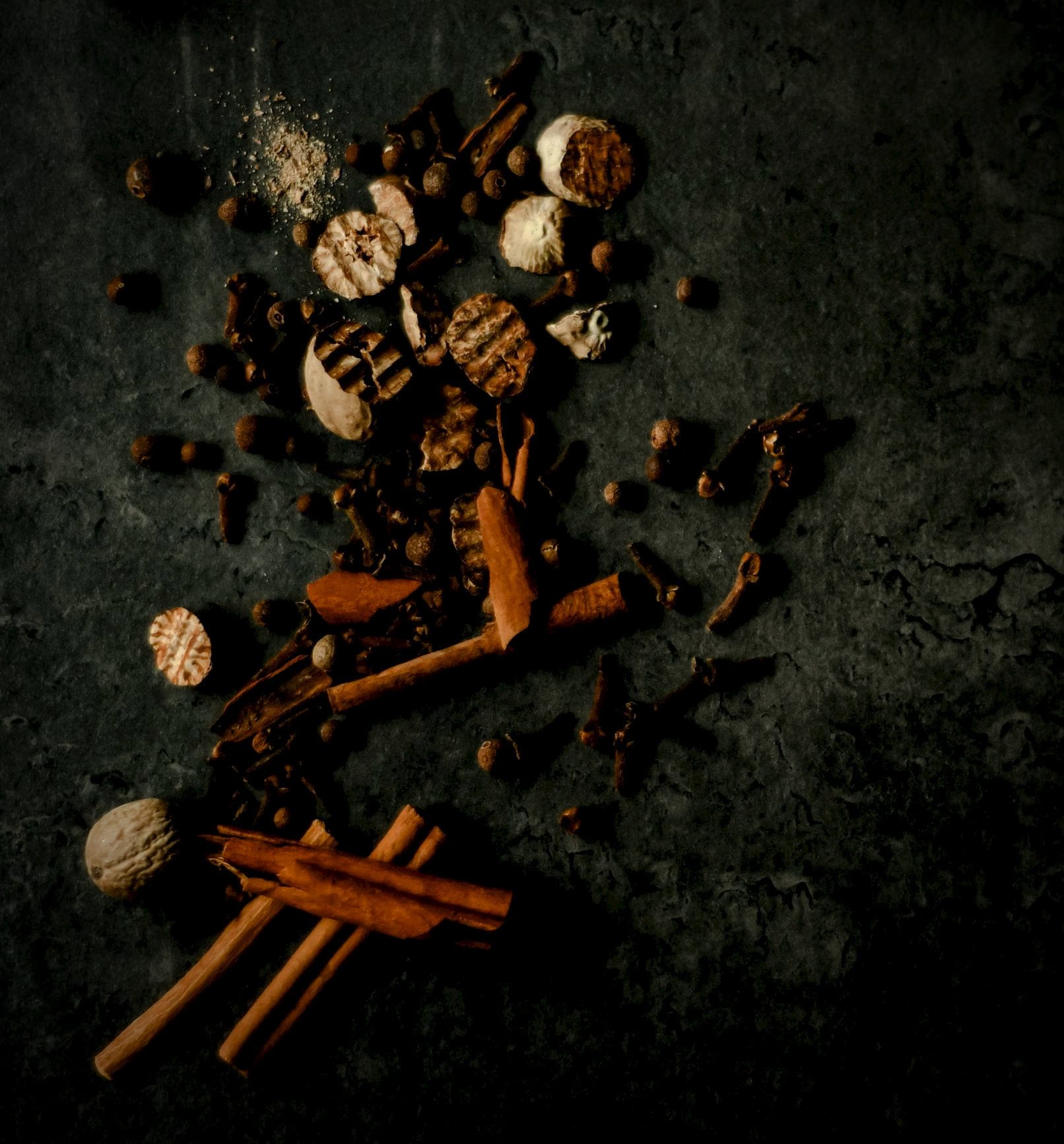
InsetThe warm register: whole spices of the kind associated with Nihari.
Latest entry
No. 03 · Delhi & Awadh
On reinterpretation, and why we say so out loud.
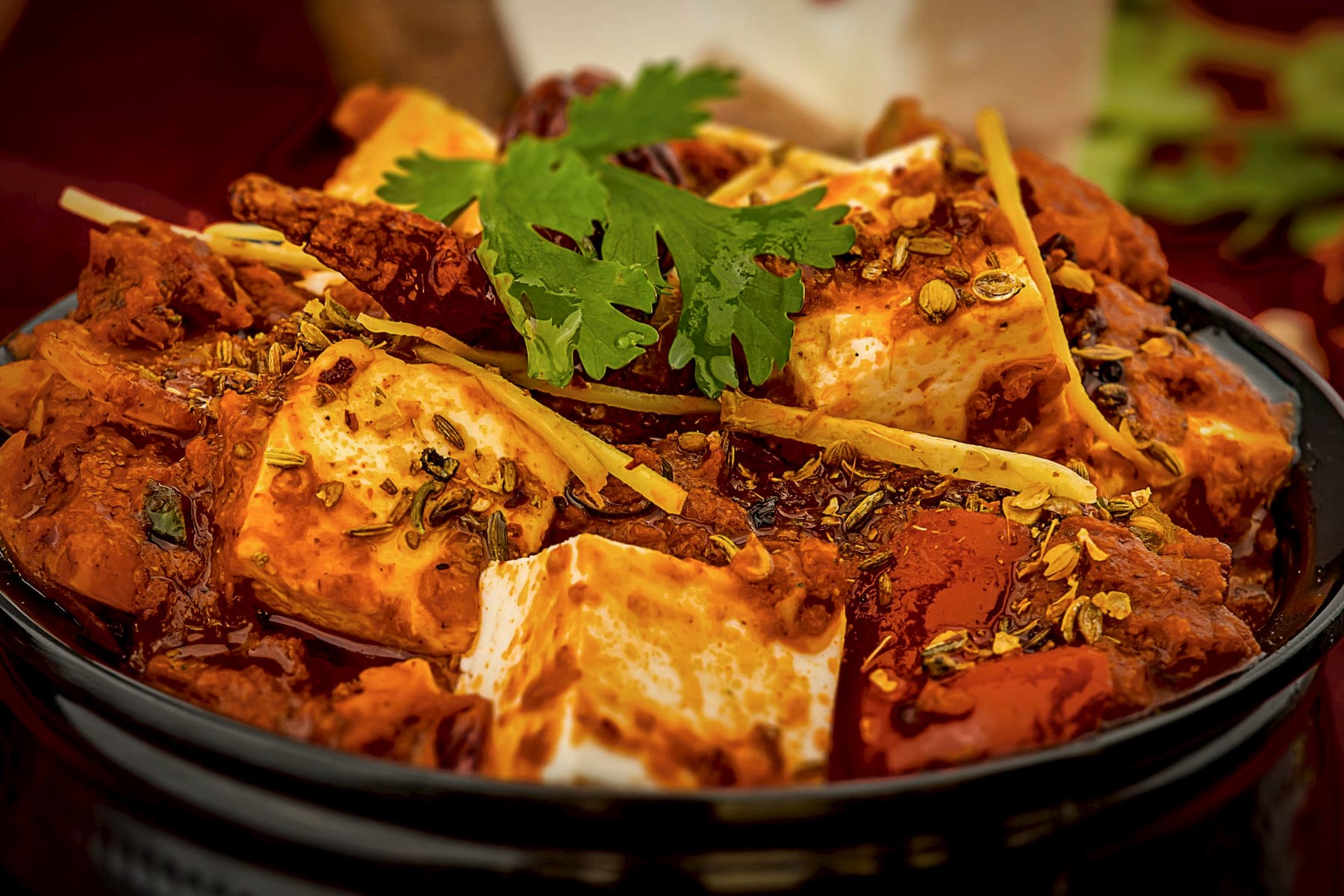
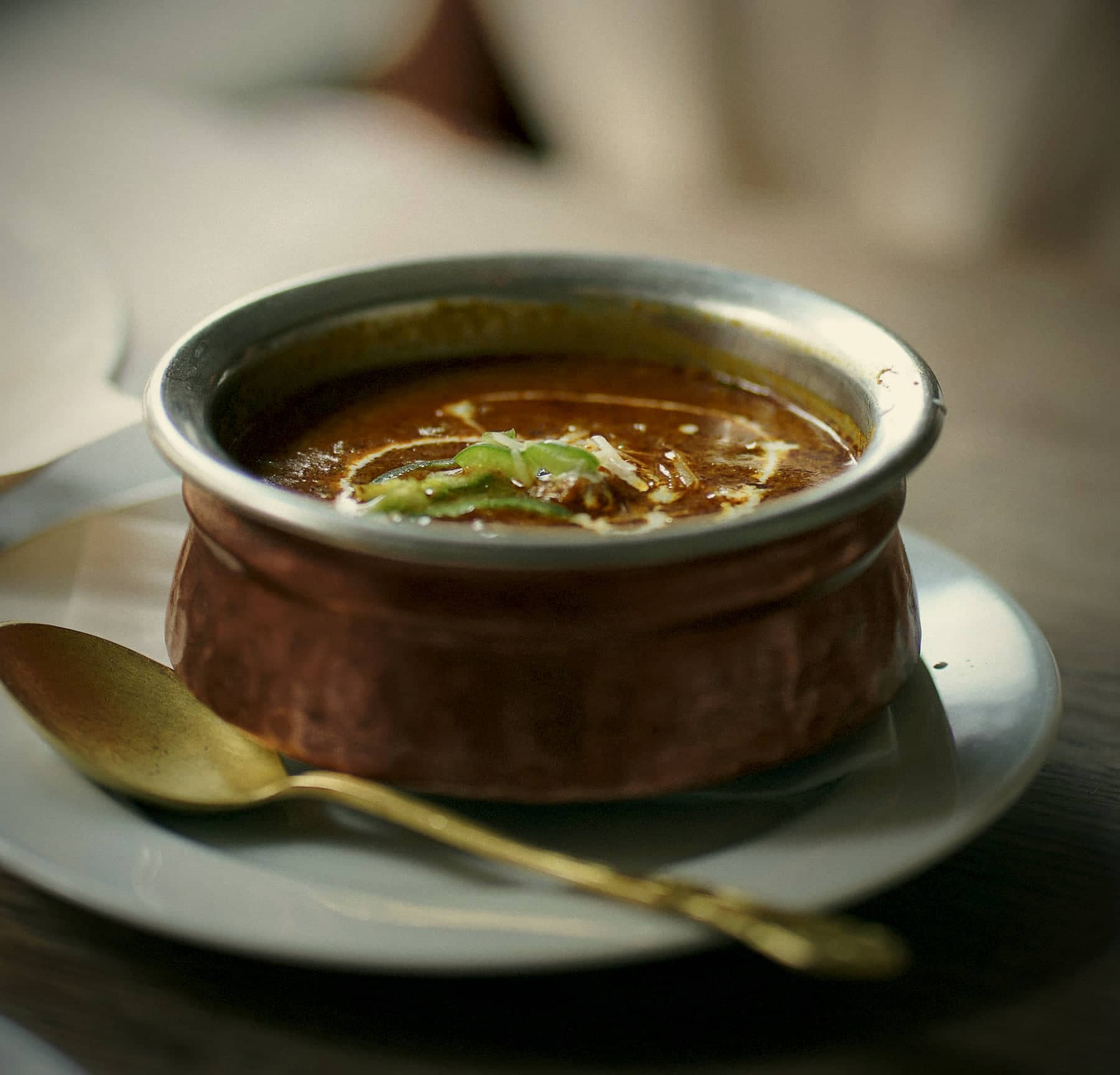
Nihari is a slow-cooked stew, traditionally made with meat and long associated with the older kitchens of Delhi and Lucknow. It is a dish of patience: long, low heat, deep spice, and a finish that is somehow both rich and bright.
Also in this edition
No. 02 · Philosophy
Memory is not a recipe. It is a starting point.
3 min read
No. 01 · Craft
A dish that cannot be hurried, and should not be explained too much.
3 min read
The margin
The words these notes lean on, defined plainly. Where our kitchen departs from a tradition, the entry says so.
From the entries
One line from each essay, in the kitchen’s own words.
Explore the Menu“Respecting a dish does not mean pretending it cannot be reimagined. It means saying clearly when you have.”
“We are not trying to make Indian food unfamiliar. We are trying to make familiar Indian food unforgettable.”
“Slow-cooked. Patiently finished. Made to linger.”